























Body composition analysis in dialysis – the edema index

An ordinary scale cannot tell water from muscle and fat. Body composition analysis with the edema index helps to set the dry weight of a dialysis patient.
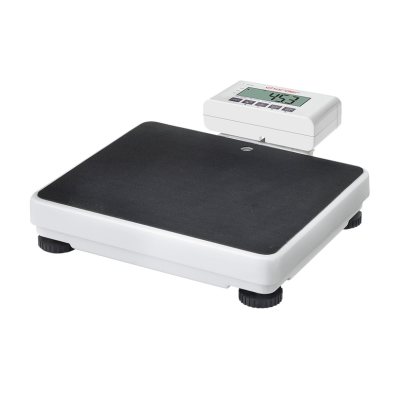
Every dialysis session carefully removes excess fluid and metabolic waste, yet its result is very often judged with an ordinary scale alone. A scale shows total body weight, but it cannot tell muscle, fat and the most important component in dialysis patients – water – apart. That is why more and more dialysis centres use body composition analysers based on bioelectrical impedance (BIA). A fast, safe and non-invasive measurement gives much more than a single number and allows a more accurate assessment of the patient.
Why switch to a body composition analyser?
In dialysis patients body weight changes from day to day. A few extra kilograms may mean anything from a large meal to a dangerous build-up of fluid. Relying on weight alone is guesswork that can hide fluid overload, which carries the risk of serious complications such as hypertension and heart disease.
This is where advanced body composition analysers such as the Charder MA601 and Charder MA801 make a real difference: they assess the two key types of body water.
The key parameter: the edema index (ECW/TBW)
The most valuable information a body composition analyser provides in dialysis is the Edema Index. It shows the share of extracellular water (ECW) in total body water (TBW), that is, in the sum of extracellular and intracellular water (ICW).

Intracellular water (ICW) – the water inside the body's cells. This is healthy, functional water.
Extracellular water (ECW) – the water outside the cells. This is where fluid usually builds up, causing edema.
In a healthy person the edema index is usually stable at 0.36–0.39. In dialysis patients it often exceeds 0.39, an important sign of fluid overload – even when the scale shows no clear weight gain.
Using the edema index in the care of dialysis patients
This single parameter gives doctors and patients valuable, practical information. It helps to set the dry weight precisely: the target weight at which all excess fluid has been removed without dehydrating the patient. Dialysis settings can then be adjusted more accurately to prevent dangerous fluid overload or dehydration, replacing estimation by eye with a measurement-based approach.
The bigger picture
Although fluid control comes first, body composition analysis also gives dialysis patients other important information. The measurement also covers muscle mass and body fat (the functions depend on the manufacturer). Monitoring these values regularly helps to:
- prevent muscle loss – dialysis can lead to muscle wasting and sarcopenia. Tracking muscle mass lets patients and doctors adjust diet and physical activity early to maintain strength and quality of life;
- monitor nutritional status – changes in body fat and muscle mass give a full picture of nutritional status, far more accurate than body weight alone.
Going beyond the scale to body composition analysis gives everyone involved a fuller and more accurate picture. A single, often misleading number becomes a comprehensive tool for better treatment.


Charder Charder: Featured brand Medical Body Composition Analysers
Charder MA601 Medical Body Composition Analyser
Code: MA601
Professional clinical-grade medical body composition analyser Charder MA601 providing measurement values and data from a multi-frequency examination. Software and connection to a computer free of…
Professional clinical-grade medical body composition analyser Charder MA601 providing measurement values and data from a multi-frequency examination. Software and connection to a computer free of charge.


Charder Charder: Featured brand Medical Body Composition Analysers
Charder MA801 Medical Body Composition Analyser
Code: MA801
HIGH END analyser. Uses BIVA technology for patients with disturbed water balance. Applications: paediatrics - patients from 6 years, obesity, nephrology, geriatrics, sports medicine, aesthetic…
HIGH END analyser. Uses BIVA technology for patients with disturbed water balance. Applications: paediatrics - patients from 6 years, obesity, nephrology, geriatrics, sports medicine, aesthetic medicine, dietetics.
Leave a comment